
Subtotal $0.00

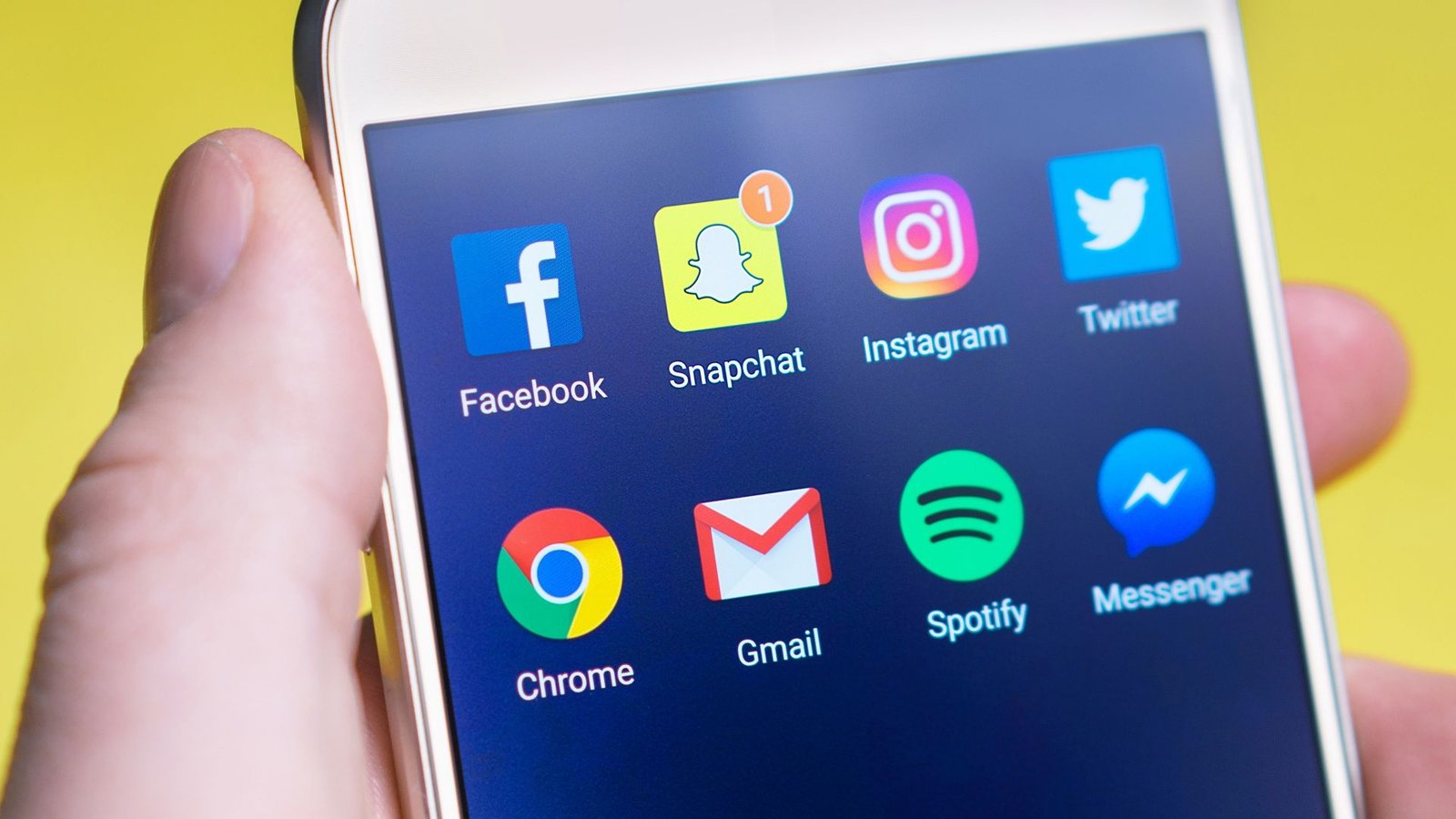
Delhi is a noisy, fast-paced, intensely social place to do business. Whether businesses are watching or not, customers talk about brands on Instagram, Facebook, LinkedIn, X, YouTube and Google reviews every day — from a Connaught Place cafe to a Gurugram-adjacent real estate developer to a Lajpat Nagar boutique.
And that is where social media monitoring comes in. This guide breaks down what it is, how it works, why it matters for businesses operating in Delhi’s competitive market, and how to actually put it into practice – no inflated promises, no guesswork.
What Is Social Media Monitoring?
Social media monitoring is the act of continually monitoring and listening for mentions of your brand, products, competitors and industry keywords on social media platforms, review sites, forums and blogs. It is a question of knowing what is said, where it is said and by whom.
At its heart, monitoring is about answering some simple but essential questions:
- Who is discussing your business right now?
- They are happy? Are they mad? Apathetic?
- What is this conversation taking place on?
- Is this an isolated comment or part of a bigger pattern?
To a business in Delhi, this could mean catching a complaint about slow delivery in South Delhi before it turns into a viral thread, or that a competitor’s new outlet in Rajouri Garden is getting more buzz than it should.
How Social Media Monitoring Works
Most monitoring efforts, whether done manually or with the help of tools, follow a similar structure:
- Decide what to monitor – brand name, product names, spelling variations, common misspellings, hashtags, competitor names and industry terms.
- Establish cross-platform tracking. Utilize native platform search, Google Alerts, or specific tracking tools that aggregate mentions from various sources into one dashboard.
- Collect & organize mentions – Group mentions by platform, sentiment and topic to make patterns easy to spot.
- Sentiment and context analysis – understand not just that a brand was mentioned, but whether the tone was positive, negative or neutral and why.
- Act and report – act when necessary, escalate problems to the appropriate team, and report findings to stakeholders regularly;
Manual monitoring can be done for small businesses with lesser mentions but with the increase in visibility, most businesses in Delhi tend to opt for semi-automated or fully automated tools that aggregate mentions across Instagram, Facebook, LinkedIn, X, YouTube, Google reviews and news sites.
Why Delhi Businesses Should Pay Attention to Social Media Monitoring
The country’s highest concentration of small and medium businesses is in Delhi, operating within highly competitive micro-markets like the wholesale trade of Karol Bagh, premium retail in Khan Market, electronics and IT services of Nehru Place, and the hospitality and lifestyle hub of South Delhi. Some reasons why monitoring matters here in particular:
Intense competition – Many businesses work in the same geographical area, and word of mouth (mostly digital these days) gets around quickly.
Multilingual chats – Customers can leave reviews or comments in Hindi, English or Hinglish so your monitoring needs to cover all of these.
High review sensitivity – A viral complaint on X or a critical review on Google can affect footfall for local businesses within days.
Delhi audiences are active on Instagram Reels and YouTube Shorts, so trends move fast – conversations can build or die down quickly.
Key Aspects of Social Media Monitoring
- Brand Tracking
This means you’re monitoring direct and indirect mentions of your business name, product names and branded hashtags. For example, a clothing retailer based in Delhi may track mentions of its store name as well as common misspellings or abbreviations customers use casually online. - Analyzing Customer Sentiments
Sentiment analysis looks at the tone of mentions — positive, negative or neutral — to understand the overall mood of your customer base. For example, a restaurant in Hauz Khas Village might find that while overall ratings remain decent, there is a spike in negative sentiment tied specifically to wait times on weekends. - Watch Competitors
It also allows businesses to benchmark their own performance by keeping an eye on what competitors are doing and how audiences respond. This includes observing competitor launches, offers, customer complaints and engagement levels on similar content. - Keywords and Hashtags Monitoring
Tracking relevant keywords and hashtags, including location-based ones such as city or neighborhood names, can help businesses find conversations they aren’t directly tagged in. A real estate firm in Delhi might track hashtags related to localities or project types to catch buyer discussions happening organically. - Reputation Management Online
Reputation management is much like monitoring, except it’s more about responding — fixing negative reviews, thanking someone for good feedback, correcting misinformation. Good monitoring translates directly into good reputation management. - Collecting Feedback from clients
Outside of formal reviews, so much real feedback comes through comments, DMs and casual posts. Monitoring helps surface this feedback so it can inform product, service or process improvements. - Detection of Crises
Sometimes one incident – a service failure, a viral complaint, a misunderstanding – can go viral. “Monitoring helps businesses pick up on early signals, so they can respond before it spirals out of control, rather than hearing about it through a customer service email days later. - Reporting & Insights
Regular reporting converts raw mentions into useful information — trends over time, recurring themes of complaints, sentiment shifts around specific campaigns, or mention volume by platform. That is what makes monitoring useful to guide real business decisions rather than being scattered data
Getting Started: A Practical Approach
If you are a business in Delhi and want to start monitoring without over complicating:
- Start with your brand name, common misspellings, and the 2-3 biggest competitors.
- Begin with free tools such as Google Alerts and native platform search to set a baseline.
- Check Google Reviews and Facebook reviews weekly, they impact directly local discovery.
- Add one or two relevant hashtags related to your locality or industry.
- Monthly review findings, find recurring themes, not react to every single mention.
- Scale to paid monitoring tools when the volume of mentions becomes too hard to track manually.
Agencies like HackerAdda often help businesses in Delhi put this process in place end-to-end – from selecting the right tools to creating a reporting cadence that matches the business size and industry, so that monitoring becomes a habit rather than a one-off exercise.
Frequently Asked Questions
Are only large businesses set to gain from social media monitoring?
No. Even small businesses in a single location in Delhi can benefit from tracking their brand name and a couple of competitors manually or with free tools before putting money into paid platforms.
How often should a business monitor social media mentions?
This varies by industry and volume of mention. If you are a business that has a lot of customer interaction such as a restaurant or retail then you might want to check weekly. If you are a B2B or niche business then you may check monthly.
Is social media monitoring going to replace customer service?
No. Monitoring can help you identify issues and feedback, but you still need to have a proper customer service process in place and respond in a timely and genuine manner.
Do I have to buy any tools to start monitoring?
Not the case. Free options, such as Google Alerts, native platform search and manual hashtag checks, are a fair starting point. Paid tools are handy as mention volume increases.
Social media monitoring vs. social listening: what’s the difference?
Monitoring is about tracking specific mentions and data points, and social listening is about interpreting that data to get a sense of larger sentiment, themes, and audience needs.
Can monitoring assist in a PR or reputation crisis?
Yes, monitoring for early detection can help businesses respond faster to a developing issue, though it cannot prevent a crisis from happening in the first place.
Which social platforms are most important for a local business in Delhi?
This varies by industry, but Google Reviews, Facebook, and Instagram tend to be highly relevant for local businesses. LinkedIn matters more for B2B and professional services.
Conclusion
Social media monitoring is not about obsessively watching every mention, it’s about creating a consistent, structured way to understand what customers, competitors and the wider market are saying about your business. For Delhi’s businesses, operating in dense, competitive and highly social micro-markets, this kind of awareness can guide better decisions around customer service, product improvements, and reputation management. Start small, stay consistent and let your insights help you to act rather than react.